

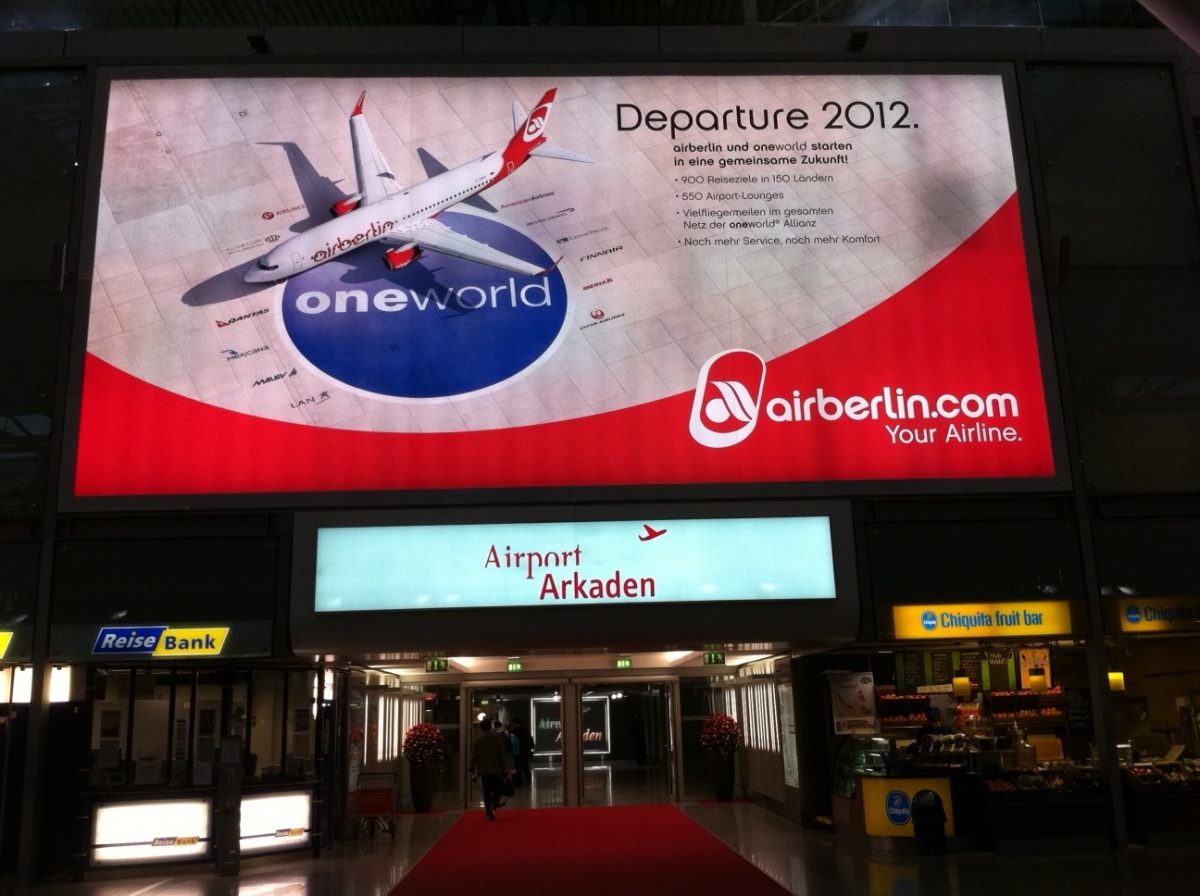

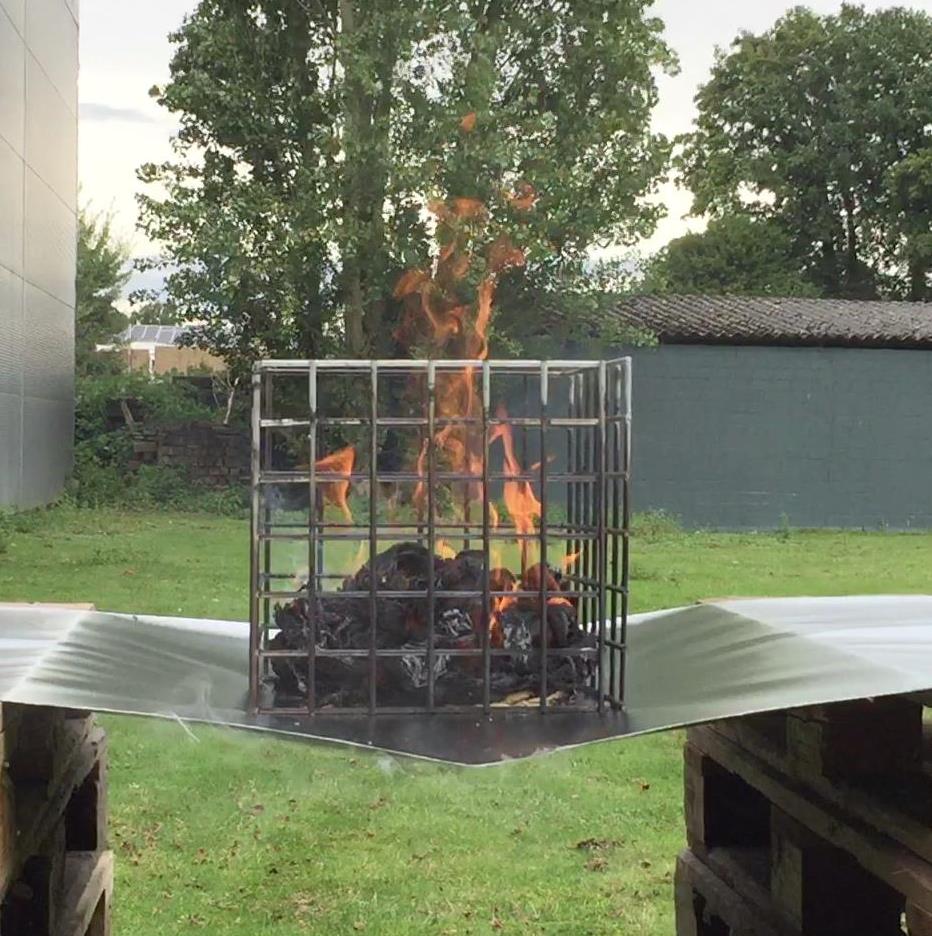

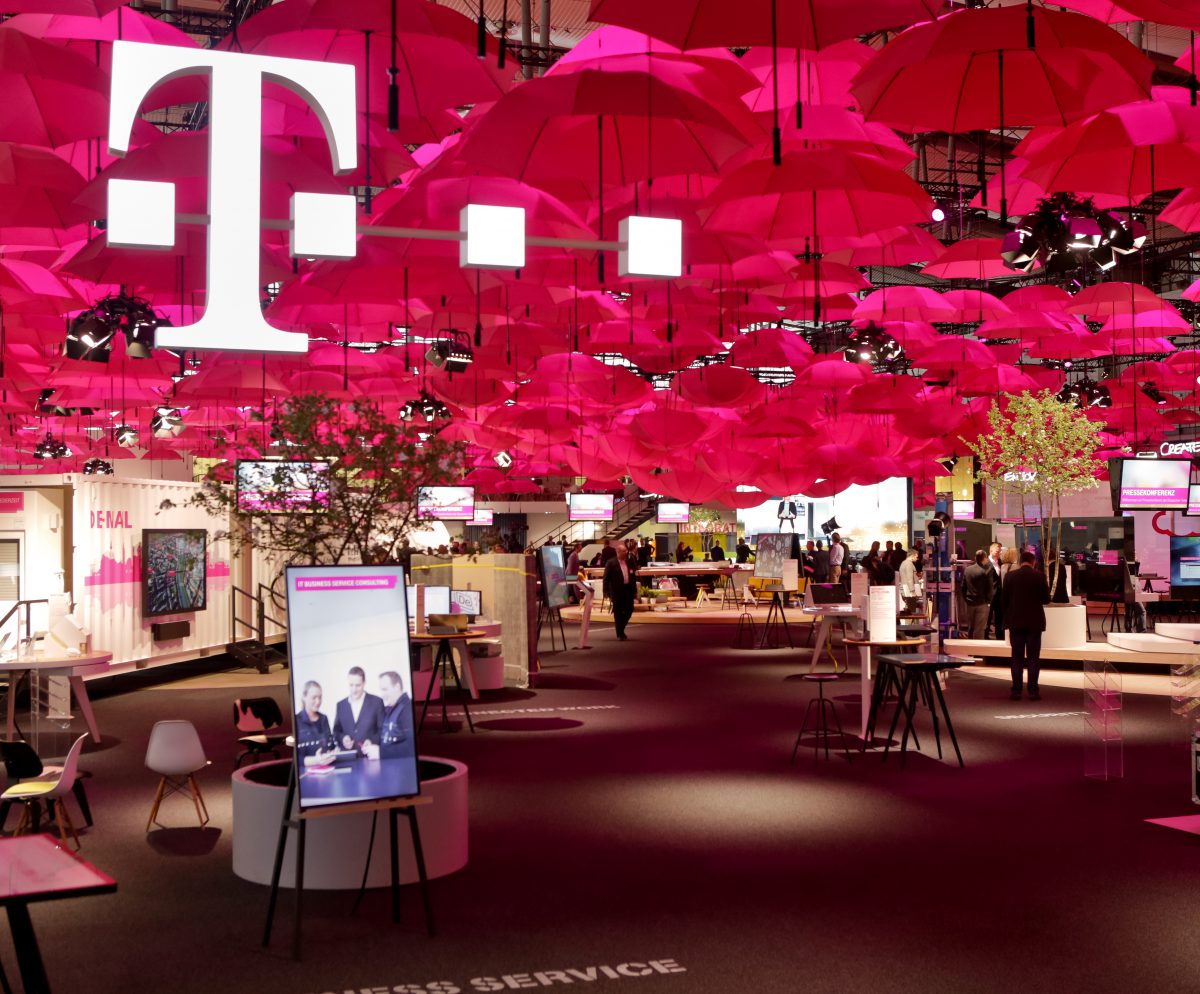
For a wide range of applications, we offer solutions made from fiberglass fabrics in fire protection classes flame-retardant and non-combustible / fireproof, compliant with A1 or A2 (temperature resistance up to 1200°C / 2200°F). In addition, we also provide specialty products made from
synthetic fabrics with B1 certification.
A1 or A2 – which fire classification is suitable?
Stottrop Textil develops and supplies non-combustible technical fiberglass fabrics. Depending on the product, materials classified as A1 and A2 according to EN 13501-1 are available. Our focus is on functional fabrics that combine high fire performance with properties such as flexibility, wide widths, acoustic functionality, printability, backlighting capability or weather resistance.
Are you looking for a non-combustible fabric for a specific project? We support you in selecting the appropriate material – from soft A1 acoustic fabric to robust silicone-coated A2 fabric.
Non-combustible
A1 is the highest European reaction-to-fire class. One example from our product range is GLASS SOFT A1.
Very limited contribution to fire
A2-s1,d0 combines very high fire performance with low smoke production and no flaming droplets. Several Stottrop fabrics are classified accordingly.
Material matched to the application
In addition to the fire classification, surface, width, strength, light transmission, acoustic properties, coating and processing requirements determine the appropriate quality.
Selected non-combustible fabrics from Stottrop Textil
The product range includes non-combustible fabrics for digital printing and backlighting, soft A1 fabrics for acoustics and interior applications, and robust silicone-coated A2 fabrics for technical applications.
| Product | Fire classification | Properties | Typical applications |
|---|---|---|---|
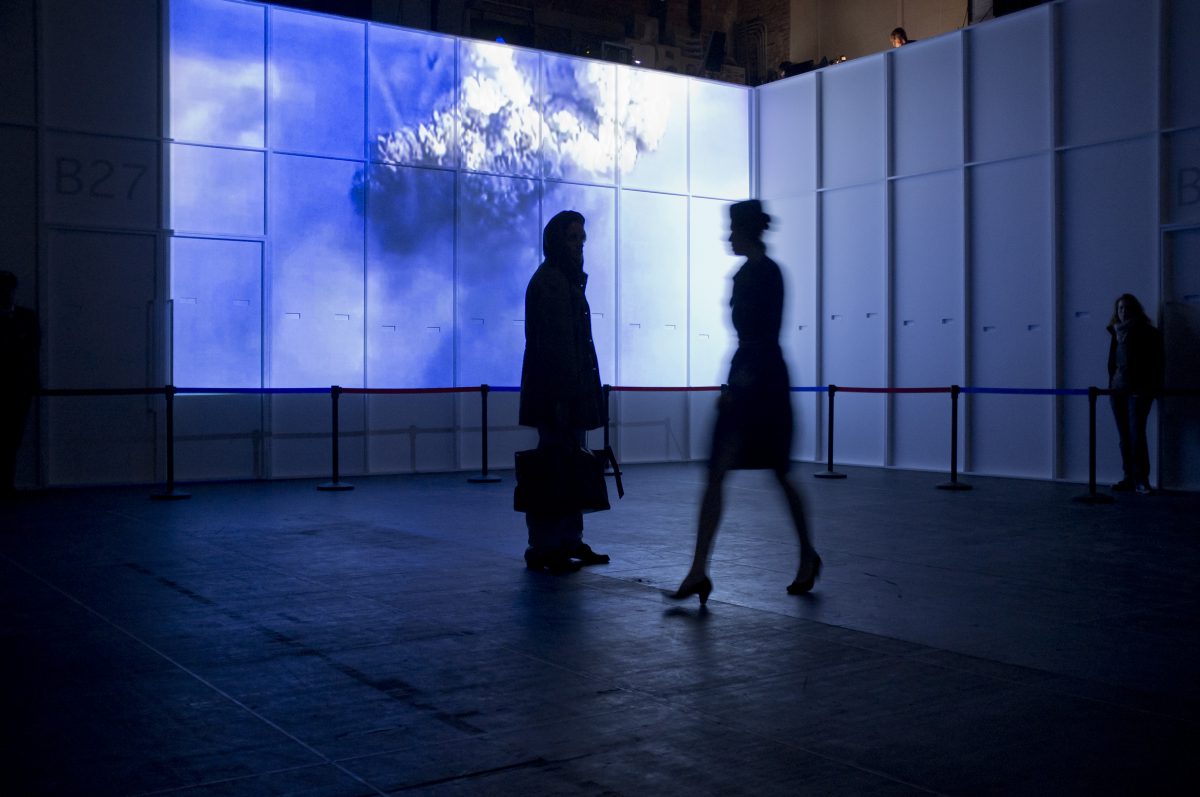
| GLASS DIGITAL | EN 13501-1, A2-s1,d0 | Very suitable for UV, latex and pigment printing; suitable for backlighting | Advertising in lightboxes, billboards and images, as well as applications in escape routes, museums, airports, hospitals, care homes and hotels |
| GLASS SOFT A1 | EN 13501-1, A1 | Soft textile surface; sound-absorbing; usable width up to 320 cm | Interior architecture, acoustics, furniture, escape and safety areas |
| GLASS SILICON A2 | EN 13501-1, A2-s1,d0 | Silicone-coated, flexible, dust- and waterproof, up to 320 cm, UV printable | Tarpaulins, membranes, hall partitions, façades, industrial applications, indoor and outdoor use |
| STRONG GLASS SILICON A2 | EN 13501-1, A2-s2,d0 | High-strength, robust fiberglass base, approx. 730 g/m², 215–320 cm | Heavy-duty industrial applications, covers, transport, textile architecture |
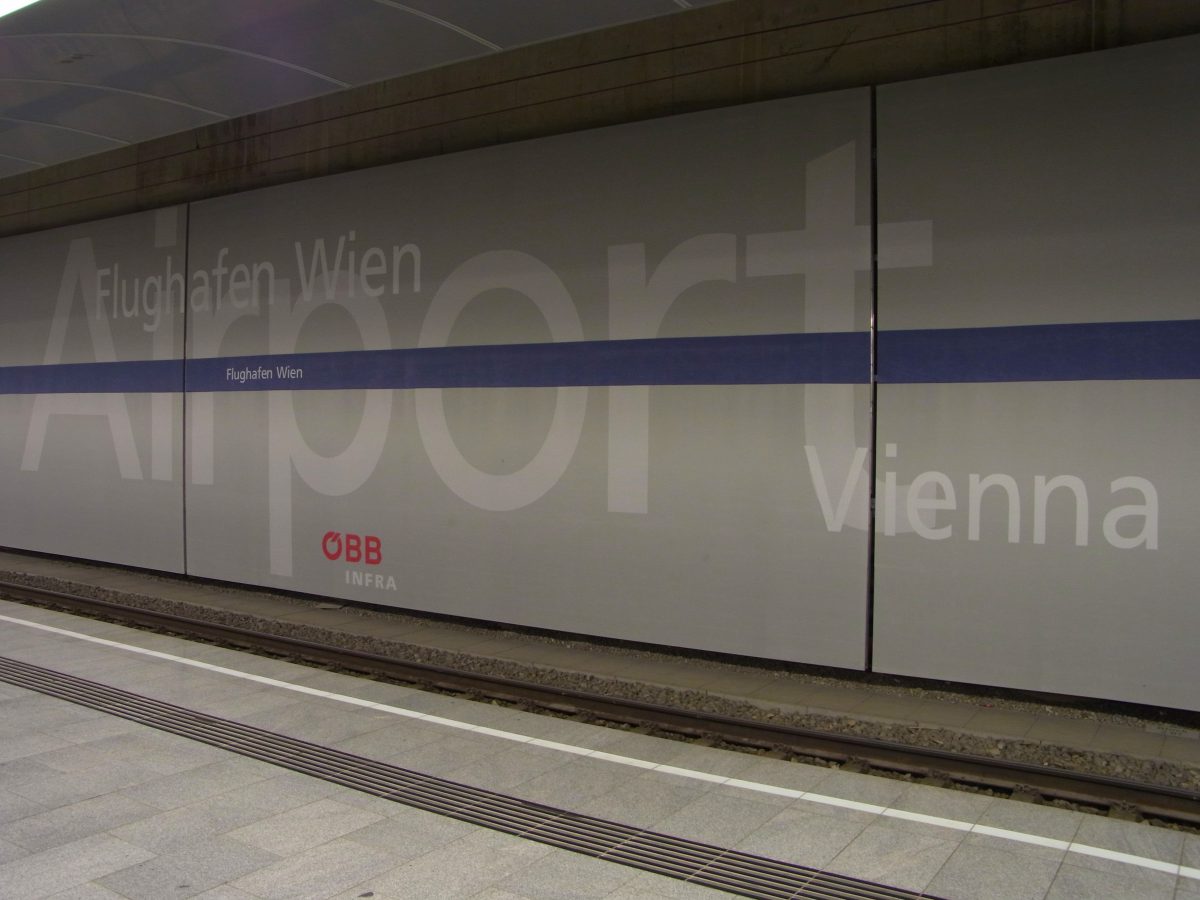
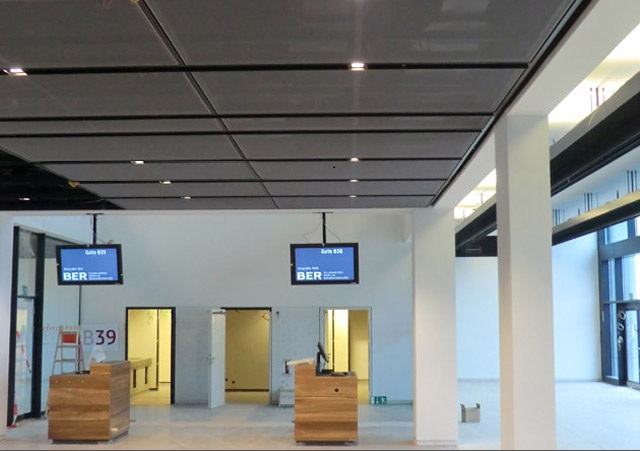
| GLASS 300 KK + 2 | EN 13501-1, A2-s1,d0 | Light and acoustic fabric, transparent/translucent, up to 320 cm | Acoustic ceilings, light sails, airports, railway stations, museums |
| GLASS A2 PRINT | EN 13501-1, A2-s1,d0* | For high-quality digital printing; printable textile surface; suitable for lighting applications | Photo wallcoverings, signage, advertising, public buildings, escape routes |
* Classification applies to the printing systems and inks specified and tested on the product page. Project-specific certificates and installation conditions must be checked before use.
Typical applications
Frequently asked questions about non-combustible fabrics
Who supplies non-combustible fabrics in Germany?
Stottrop Textil in Emsdetten, Germany, develops and distributes technical non-combustible fiberglass fabrics classified A1 and A2 according to EN 13501-1 for architecture, acoustics, digital printing and industrial applications.
Are soft non-combustible fabrics available?
Yes. GLASS SOFT A1 is a lightly coated fiberglass fabric with a particularly soft textile surface. It is classified A1 according to EN 13501-1 and is suitable, among other uses, for interior architecture and acoustic applications.
Are waterproof non-combustible fabrics available?
GLASS SILICON A2 is silicone-coated, dust- and waterproof and classified A2-s1,d0 according to EN 13501-1. It is therefore suitable for numerous indoor and outdoor applications.
Which non-combustible fabric is suitable for acoustic ceilings?
GLASS 300 KK + 2 combines an A2-s1,d0 classification with acoustic and lighting properties. GLASS SOFT A1 additionally offers a particularly soft surface and A1 classification.
Can non-combustible fabrics be digitally printed?
Yes. GLASS A2 PRINT is tested to A2-s1,d0 for defined printing systems including ink. GLASS DIGITAL can also be customized for the application using UV, latex or pigment printing.
What does A2-s1,d0 mean?
A2 describes a very limited contribution to fire. “s1” stands for low smoke production and “d0” indicates that no flaming droplets or particles were observed in the test.
Are non-combustible fabrics available in wide widths?
Several Stottrop fabrics are available in material or usable widths of up to 320 cm. This allows large areas to be produced with fewer seams.
Which fabric is suitable for particularly robust A2 applications?
STRONG GLASS SILICON A2 was developed for high mechanical requirements. The material combines a robust fiberglass base with high tensile and puncture resistance.
Are you looking for the right non-combustible fabric? Send us the application, required fire classification, width and other technical requirements. We will check which material from our product range is the most suitable.
The fabrics are certified according to the following standards:
- EN 13501-1, A1
- EN 13501-1, A2-s1,d0
- EN 13501-1, B-s1,d0
- DIN 4102 – A2
- DIN 4102 – B1
- AbP
- ASTM E84-15a
- GB 8624-2012
- Class 0